Compare Local Contractors for Poured Concrete Installation Success
Compare local contractors for poured concrete installation to define project scope, verify experience, and establish clear expectations in writing for a successful outcome.
Poured concrete installation is a versatile service that encompasses a range of projects, including driveways, sidewalks, patios, foundations, and flooring. This work involves preparing the site, setting formwork, and pouring concrete to create a durable, seamless surface. Understanding the specific scope of each project is essential, as different applications may require variations in concrete mix, reinforcement, finishing techniques, and curing processes. Clarifying these details upfront helps ensure the final result meets the property's needs and standards for longevity and performance.
Defining the scope of poured concrete work is a critical step in working with local contractors. Property owners should clearly outline project requirements, including size, thickness, surface finish, and any special features or reinforcement needs. Having these details in writing helps prevent misunderstandings and provides a basis for comparing bids and proposals. It also facilitates effective communication with service providers, enabling them to assess their experience and capacity to handle the specific scope of work. Properly scoped projects tend to result in more accurate expectations and smoother project execution.
When evaluating local contractors for poured concrete installation, property owners should consider experience, reputation, and the ability to deliver on defined project requirements. Comparing multiple service providers involves reviewing their previous work, verifying references, and understanding their approach to site preparation, pouring, and finishing. It’s also beneficial to ask how they handle unforeseen issues or changes in project scope. By gathering detailed information and ensuring all aspects of the work are clearly documented, property owners can make informed decisions and choose contractors who are well-equipped to meet the specific demands of their poured concrete projects.
Compare local contractors by outlining project priorities, verifying experience, and setting clear expectations in writing.
- Compare Contractor Experience - Review the backgrounds and project history of local contractors to assess their expertise in poured concrete installation.
- Define Project Scope Clearly - Establish detailed descriptions of the work to ensure all parties agree on the project requirements.
- Verify Credentials and References - Check references and verify the experience of service providers to confirm their capability for the job.
- Document Expectations in Writing - Create written agreements outlining the scope, materials, and responsibilities to set clear project expectations.
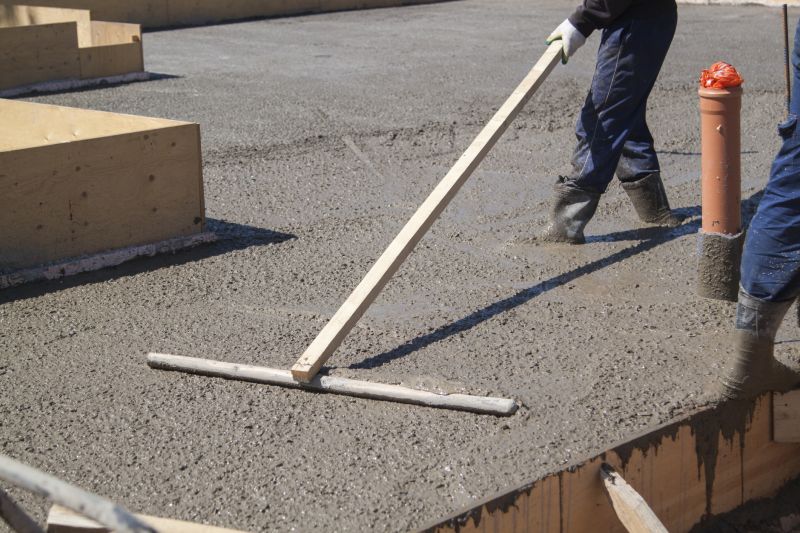
Before comparing contractors, clearly describe your poured concrete project to ensure accurate scope definition and expectations.
- Verify the contractor’s experience with poured concrete installation to ensure familiarity with project requirements. - Review their portfolio or references to assess past work quality and scope.
- Define the scope of work clearly in writing to avoid misunderstandings about materials, dimensions, and finishes. - Ensure all project details are documented before work begins.
- Check that the contractor follows proper site preparation procedures, including excavation and sub-base installation. - Proper preparation is essential for a durable and level concrete pour.
- Confirm that the contractor uses appropriate forms, reinforcement, and curing methods for the specific project. - Proper techniques impact the longevity and appearance of the concrete.
- Discuss and agree upon cleanup procedures and disposal of excess materials in the scope of work. - Clear expectations help maintain a clean and safe work site.
- Ensure the contractor provides a detailed written estimate outlining all work components and responsibilities. - A comprehensive scope helps compare and choose the best service provider.
Compare local contractors’ experience and clarify project scope to ensure expectations are aligned in writing.


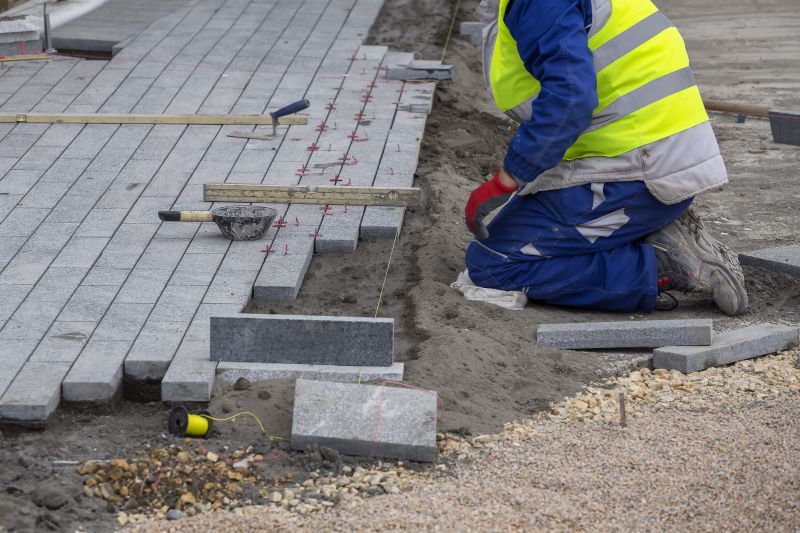

This scope builder helps compare local contractors, define project details, verify experience, and set clear expectations in writing.
- Scope Definition - Clearly outline the specific areas and dimensions where poured concrete will be installed.
- Material Specifications - Specify the type and grade of concrete and any reinforcement requirements needed for the project.
- Preparation and Site Conditions - Identify site conditions, including grading, sub-base preparation, and access considerations.
- Quality Standards - Establish standards for finish, curing, and overall workmanship expected from local contractors.
- Documentation and Agreement - Ensure all project details, scope, and expectations are documented in a written agreement before work begins.
When comparing contractors for poured concrete installation, it is important to evaluate their experience with similar types of projects. Homeowners should inquire about the scope of past work, ensuring that the service providers have handled projects comparable in size, complexity, and purpose. A contractor’s familiarity with specific application techniques, site conditions, and material choices can influence the quality and durability of the finished work. Verifying the extent of a contractor’s hands-on experience helps build confidence that they understand the nuances involved in poured concrete projects similar to the homeowner’s needs.
A clear, written scope of work is essential when assessing potential service providers. Homeowners should seek detailed descriptions of the tasks involved, including surface preparation, formwork, pouring, finishing, and curing processes. A well-defined scope helps prevent misunderstandings and sets accurate expectations for the project’s deliverables. Service providers who can articulate each phase of the work in writing demonstrate professionalism and transparency, making it easier to compare options based on the thoroughness of their proposals.
Verification of a contractor’s basic qualifications involves reviewing references, project portfolios, and any available documentation of completed work. Homeowners can ask for examples of previous poured concrete projects similar in scope and ask about the outcomes. Visiting completed sites or speaking with past clients can provide insight into the contractor’s reliability and craftsmanship. Ensuring that a service provider’s past work aligns with project requirements helps in making an informed decision and reduces the risk of encountering issues down the line.
Evaluating options without focusing on prices involves assessing the quality of proposals, the clarity of scope, and the experience of each contractor. Homeowners should compare how thoroughly each service provider has outlined their approach, the materials they plan to use, and their familiarity with project specifics. It’s also helpful to consider the professionalism of communication and the completeness of the information provided. By focusing on these factors, homeowners can select a contractor who demonstrates expertise, clarity, and a solid understanding of poured concrete installation, leading to a smoother project process.
Ask contractors to provide written scope details to ensure clear expectations and consistent project understanding.
- Experience and Credentials - What experience do local contractors have with poured concrete installation similar to your project?
- Scope of Work - How do contractors define and document the scope of work to ensure clear expectations?
- Materials and Techniques - What materials and installation techniques do local service providers typically use for poured concrete projects?
- Project Management - How do contractors plan to coordinate the project and communicate progress throughout the process?
- References and Past Projects - Can the contractors provide references or examples of completed poured concrete installations?
How can I compare contractors for poured concrete installation? To compare local contractors effectively, review their experience, verify their references or reviews, and ensure they clearly define the scope of work in writing.
What should I consider when defining the scope of a poured concrete project? Clearly outline the size, design, and specific requirements of the project, and communicate these details to potential contractors to ensure accurate understanding.
How do I verify a contractor's experience with poured concrete installations? Ask for examples of previous work, check references, or review portfolios to assess their experience and expertise in similar projects.
Why is it important to have the project scope in writing? Having the scope documented helps prevent misunderstandings, sets clear expectations, and provides a reference for the agreed-upon work during the project.
What questions should I ask local contractors about their poured concrete services? Inquire about their previous experience, how they handle project specifications, and how they ensure quality and durability in their work.
How can I ensure the contractor understands my project requirements? Communicate your expectations clearly, provide detailed descriptions, and request written confirmation of the scope before work begins.
Understanding the key steps in selecting a contractor for poured concrete installation can help ensure the project meets expectations. Visitors learned how to define the scope of work clearly, verify the experience of potential service providers, and emphasize the importance of having all details documented in writing. This approach supports making informed comparisons among local contractors and choosing the best fit for the project’s needs.
To explore options and connect with experienced service providers in the area, using the quote form is an effective way to gather information. It allows for straightforward comparisons of local contractors, helping to identify professionals who can handle the poured concrete installation according to the defined scope. Taking this step can assist in making confident decisions based on the available local expertise.